Saturday, March 31, 2007

Mobile Pictures...Recent Travels


I wanted to put my mobile phone to good use. So, I tried the camera…I was surprised by the quality of some of the pictures. Here is one from the islands to the north of Seattle.


Walking around in Seattle!

Flying around the world!

UCLA and Westwood

UCLA again...

Nittany Lion Inn at Penn State University

Univ. of Virginia

Tuesday, March 27, 2007

Modifications and Innovations to Technology Artifacts


New paper published:

Desouza, K.C., Awazu, Y., and Ramaprasad, A. “Modifications and Innovations to Technology Artifacts,” Technovation, 27 (4), 2007, 204-220.

Abstract:
What happens to a technology artifact after it is adopted? It has to evolve within its particular context to be effective; otherwise, it will become part of the detritus of change, like the many genes without a discernible function in a living organism. In this paper, we report on a study of post-adoptive behavior that examined how users modified and innovated with technology artifacts. We uncovered three types of modifications made to technology artifacts: personalization, customization, and inventions. Personalization attempts are modifications involving changes to technology parameters to meet the specificities of the user; customization attempts adapt the technology parameters to meet the specificities of the user’s environment; and inventions are exaptations conducted to the technology artifact. This paper presents a grounded theoretic analysis of the post-adoptive behavior based on in-depth interviews with 20 software engineers in one multi-national organization. We identify a life-cycle model that connects the various types of modifications conducted to technology artifacts. The life-cycle model elaborates on how individual and organizational dynamics are linked to the diffusion of innovations. While our research is exploratory, it contributes to a deeper understanding of post-adoptive behavior and the dynamic relationship between user innovations and organizational innovations.

My Posting on Ideas4Innovation on Innovation...

Measuring Innovation: From Process to Stages to Capabilities to Measures to Business Value

Measuring innovation requires an organization to have a well-articulated innovation process. Without a process, measurement is impossible. During our research, we arrived at the following stages of innovation: (1) generation and mobilization, (2) advocacy and screening, (3) experimentation, (4) commercialization, and (5) diffusion and implementation. For each of these phases, we identified underlying capabilities that an organization must execute: (1) sources management, (2) analytics management, (3) interpretation management, and (4) action management. These capabilities are comprised of a series of activities. For instance, in sources management, (a) Identifying Sources, (b) Evaluating Source Characteristics, (c) Organizing Sources, (d) Retrieving Ideas from Sources, (e) Updating the Collection of Sources, and (f) Protecting Sources.

Once we are able to make the process of innovation explicit, we can develop measures for the process. We start by measuring the activities, then build composites for measuring capabilities, which in turn will help us measure each stage, and then the overall innovation process.

Using these measures, we can link innovation to business value measures, from process to output, and value measures.

More details will be forthcoming as we begin to release our working papers.

To measure is to know

In the 18th century, the renowned physicist Lord Kelvin remarked, “To measure is to know” and “When you can measure what you are speaking about, and can express it in numbers, you know something about it; but when you cannot measure it, when you cannot express it in numbers, then your knowledge is of a meager and unsatisfactory kind”. Although he was not speaking about the field of knowledge and innovation management when he made these statements, there may be no better field for which these statements hold true, and his words may easily be applied to that which is missing from the extant literature on knowledge management.

There is a conspicuous absence of models to evaluate such efforts. A major concern for scholars and practitioners is how to measure the status of knowledge and innovation management in an organization –– i.e., its strengths and weaknesses Managers today have to rely on anecdotal descriptions to justify investments. Without a meaningful framework for describing its trajectory, knowledge, and innovation, management is viewed by many as a mere fad.

During the I3M meeting in April, I will be presenting our model for measuring the innovation process and linking it to business value...

Monday, March 26, 2007

Social Activism in Information Systems Research: Making the World a Better Place

I have a new paper published: Desouza, K.C., Ein-Dor, P., McCubbrey, D.J., Galliers, R.D., Myers, M.D., and Watson, R.T. “Social Activism in Information Systems Research: Making the World a Better Place,” Communications of the AIS, 19 (2007), 261-277.

Abstract
This paper reports on a panel held during the 2006 International Conference on Information Systems (ICIS). The panel titled, “Social Activism in IS Research: Making the World a Better Place,” was organized to question whether and how Information System (IS) research is making tangible impacts to our society. More specifically, each panelist was asked to address: (1) How can IS research, and researchers, make contributions to under-developed societies and underserved communities? and (2) How can IS researchers learn from the particularities of these communities to inform better research, teaching, and service? While each panel member had different perspectives to offer in relation to these two questions, all agreed that IS academe needs to raise its awareness and efforts considerably with a view to address the needs of underserved communities.

Saturday, March 24, 2007

Contradictions in Innovation: The Critical Role of Librarians


I will be giving a talk to the Pacific Northwest Chapter of the Special Libraries Association. The talk is titled, “Contradictions in Innovation: The Critical Role of Librarians”.

In order to innovate, organizations must find ways to manage their knowledge. Knowledge need to be created, utilized, shared, duplicated, and commercialized. However, the very same knowledge must also be protected and secured. Herein lies the contradiction: to share or not to share. How do we build organizational mechanisms where knowledge can be shared, while being secured! More importantly, how do we retain the high-energy and enthusiastic culture required for innovation, while still being respectful of the needs for security and compartmentalization? I will draw on examples from government intelligence operations, innovation programs in large organizations, and even my own entrepreneurial experiences to draw some tentative conclusions…

See (http://students.washington.edu/slauw/) and (http://units.sla.org/chapter/cpnw/index.html)

Wednesday, March 21, 2007

Institute for National Security Education and Research

I have a new Blog (http://uwinser.blogspot.com/) – the UW Institute for National Security Education and Research (UW INSER). I serve as the Director of this program. Please check it out to learn about my recent work. There is a lot of interesting stuff going on with INSER in the national security education and research space.

Monday, March 12, 2007

University of Virginia

During a recent trip to the University of Virginia…Having lunch with the little sister (a.k.a Karishma)…You have to check out this place – Marco & Luca…$2.50 for 6 Dumplings…


Friday, February 23, 2007

Wine and Meetings

My favorite Meeting Places…Wine Stores…Pictures are from a meeting that I had in San Francisco...


Wednesday, February 21, 2007

Managing Knowledge Security


"Desouza provides cogent and compelling real world examples that immediately grab your attention. CIO's can not afford to become complacent in times where the most mundane event – a courier's misplacement of a data tape for example – can have expensive if not catastrophic consequences. There are bad guys out there willing and able to profit at the expense of the unwary custodian of information. Desouza's provocative examples will make even the most fastidious CIO think twice about the security of his/her company's data in a time when very real threats are present in cyberspace. In an age where Information Technologies are ubiquitous and easily acquired, sustainable competitive advantage is achieved through the cultivation and application of intellectual assets, not technology. However, as Desouza points out, 'Intellectual Asset Management' is not yet a common college course. This book is your best bet to galvanize your team and your organization. This is must reading for CXO's in every firm. If you read one management book this year, this is the one to read and to act on – immediately!"

Mike Williams
Senior Vice President and Chief Information Officer
Parsons Brinckerhoff


"Desouza has done an impressive job of taking an issue that's worrying CXOs at companies around the world and simplifying it. While reading this book I was actually scared - our intellectual property is in many cases unprotected and this book is doing a good job by showing how important this issue is to the senior management of any company. A must read…"

Roshan D'Silva
Chairman & CEO
Myzus

Sunday, February 04, 2007

Special Issue on IT and Terrorism

Along with Winston Koh (Singapore Management University) and Aris Ouksel (University of Illinois at Chicago), I have edited a special issue on IT and Terrorism for Technology Forecasting and Social Change.

Citation: Desouza, K.C., Koh, W.T.H., Ouksel, A.M. “Information Technology, Innovation and the War on Terrorism,” Technology Forecasting and Social Change, 74 (2), 2007, 125-128.

Here is a portion of the introduction:

The horrific scale of destruction of the 9/11 terrorist attacks has ushered in a period of global uncertainty on various fronts: political, economic, military and technological. In essence, terrorism involves the use of violence to achieve political objectives, by deliberately trying to inflict mass casualties or cause other forms of costly damage against civilian populations. It is a form of psychological warfare, as the terrorist acts are designed to frighten targeted populations and attract global attention. Terrorism may also be viewed as theatre to focus attention on terrorists' aims and incite discontented masses.

The use of the term “war on terrorism” has a political basis. Terrorism is a means rather than an end. It is a tactic being used by extremist Moslems who, at the moment, see it as their most effective tool in countering the Western democracies. There is, of course, a long history of Islamic confrontation with the West and the U.S. war in Iraq has once more shown the glaring disparity in military strength between the two sides. Terrorism is now a significant weapon for the radical Islamists as the inevitable response to it draws more moderate fellow Moslems to their side, furthering their long-term aim of a resuscitated Islamic caliphate. The term “war on radical Islamism” would therefore be more appropriate; although it is being avoided by the Bush Administration. This special issue confines itself to the narrower subject of dealing with the terrorism threat from a technological viewpoint, analogous to analysis of means to counter Soviet ICBMs in the Cold War. It does not address the larger problem of strategies to confront radical Islamism.

I have a new paper published - Desouza, K.C., and Wang, T-Y. “Impeding Insurgent Attacks: The Information Management Agenda,” Technology Forecasting and Social Change, 74 (2), 2007, 211-229. This paper was co-authored by an undergraduate student in my INFO 300 (Intellectual Foundations of Information) class. Here is the abstract

Recent confrontations in Iraq between coalition forces and insurgents have caused much havoc in the way of economic and political reforms. Insurgents use a wide range of tactics, from suicide bombings to kidnappings, to cause tension between the local factions and the Iraqi populace, and between the locals and the coalition forces. The strength of the insurgent strategy emerges from the nature of their attacks: highly erratic, yet potent. All-out assault on these insurgents is impossible as they cloak themselves and exploit the advantages of guerrilla warfare tactics. In this paper, we will highlight the informational issues that the coalition forces must appreciate in order to curb and curtail these insurgent attacks. While we do not aim to propose any grand strategy to eradicate all insurgent attacks, we do believe that the true weapon that needs to used optimally (effectively and efficiently) against such attacks is information. Whether the insurgents or the coalition forces, the side that is more successful at managing and deploying information potently and with intent will ultimately prevail.

Wednesday, January 24, 2007

Initial Crisis Agent-Response Impact Syndrome (ICARIS)
Along with a long-time colleague of mine, Tobin Hensgen, I have co-authored a paper on informational issues faced by first-responders to crises.

Hensgen, T., Desouza, K.C., and Durland, M. “Initial Crisis Agent-Response Impact Syndrome (ICARIS),” Journal of Contingencies and Crisis Management, 14 (4), 2006, 190-198.

Abstract:
There has been a dramatic shift in attitude among organizations regarding the probabilities of crisis occurring. Once crises were considered the domain of the contingency management team that sought the fastest means to recovery, now the entire organization is compelled to take steps intended to mitigate conditions leading to a crisis. In this paper, the authors consider the organization’s ‘first responders’ i.e., those who become involuntarily placed in the decision making process because they are the first to become aware of the conditions which indicate impending crisis simply because they are ‘on scene.’ As agents of the organization, these persons will make initial decisions well before the implementation of any formal contingency plan and because their decisions will be based on incomplete assumptions, they are likely to be in error. The impact of these initial crisis-agent responses can cause irreparable damage to the organization, to the individuals within the organization, and to the surrounding environment. This tendency toward error is referred to as the initial crisis-agent response impact syndrome: ICARIS. Exercising a program that prepares all employees for the initial decisions that need to be made at the moment of crisis can mitigate problems related to this issue.

Monday, January 15, 2007

Managing Knowledge in Strategic Alliances

The Malaysian Management Review has printed portions of my chapter, managing knowledge in strategic alliances, from my co-authored book – Engaged Knowledge Management (Palgrave, 2005).

Desouza, K.C., and Awazu, Y. “Engaging Knowledge Management in Strategic Alliances – Part 2,” Malaysian Management Magazine, January-March, 42 (1), 2007, 64-69.
Desouza, K.C., and Awazu, Y. “Engaging Knowledge Management in Strategic Alliances – Part 1,” Malaysian Management Magazine, October-December, 41 (4), 2006, 54-59.

Saturday, January 13, 2007

I am currently teaching two courses at the Information School of the University of Washington. The graduate course is titled, Management of Information Organizations. Here is the course description:

The management of information organizations (e.g. software organizations, crisis management centers, libraries, consulting organizations, government intelligence and national security centers, etc) represents a critical challenge. Even though most managers take a deterministic approach to management, the current operating and competitive environments can be characterized as emergent, complex, incomplete. Moreover, it is imperative for organizations to operate in an agile manner if they are to compete (or even survive). In this class, we will study the management of information organizations from the perspective of building agility throughout the organization. In order to build agile information organizations, we must account for how organizations are conceptualized, created, and managed. At the completion of the course, students should be able to:
• Describe the characteristics of agile information organizations
• Appreciate the complex nature of information flows in organizations
• Assess organizational readiness for information systems
• Conceptualize agile information systems
• Construct agile information systems
• Manage information systems
• Evaluate the contribution of information systems to business objectives

The undergraduate course is titled, Intellectual Foundations of Informatics. Here is the course description:

This course will examine the concepts of ‘information’ and ‘information systems’. We begin by discussing the concept of information. In particular, we will focus on the following issues: what information is, what the characteristics of information are, how information is different from knowledge, and how to management information. Next, we address the topic of ‘information systems’. Here we will focus on: describing information systems, designing information systems, and managing information systems. In addition, we will survey emerging issues such as the role of ethics in the management of information, knowledge management, government information policy, etc.

Friday, January 05, 2007

More pictures...


Wednesday, January 03, 2007

I will be giving a talk on Innovation at the Airplane Product Development 2007 Offsite for Boeing (Jan 3-4, 2007). My talk will focus on the common innovation challenges organizations face, and the strategies leading organizations have implemented to overcome these challenges. My talk will draw heavily on my ongoing research projects (Leveraging Ideas into Organizational Innovation; Demystifying the Link between Innovation and Business Value). Other speakers at this event include Joe Sutter (author of 747; Joe led the team of engineers who created the Boeing 747), Horikiri Toshio (CEO, Toyota Engineering Corporation).

Monday, December 25, 2006

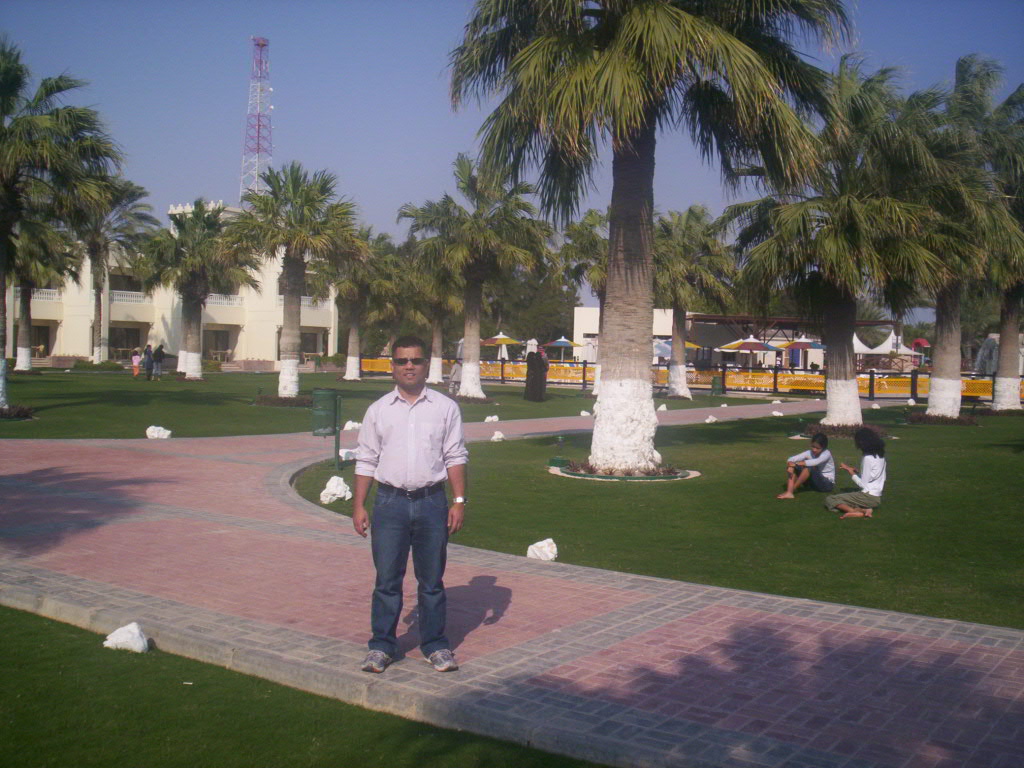
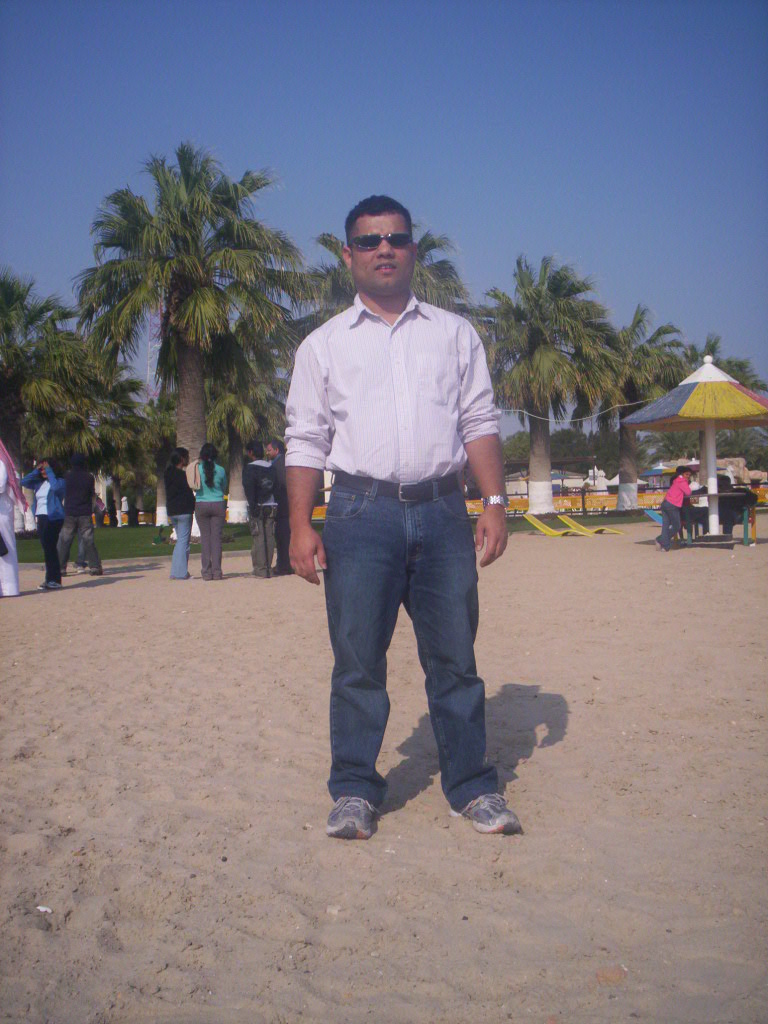
Here are some more pictures from the Sealine Resort…


Wednesday, December 20, 2006


Doha's Shopping Center...The City Center...(a.k.a The Mall)

More Buildings on a Nice Sunny Day


The place I played football - Al Ahli Club...

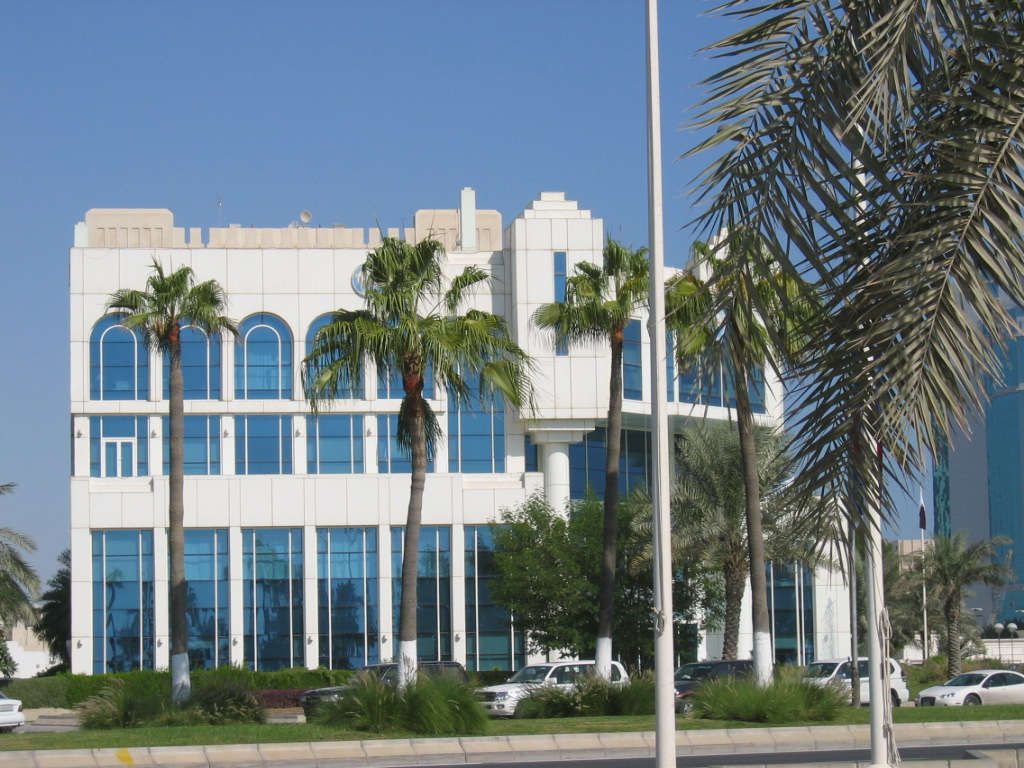
Local Buildings...Nice Architecture!


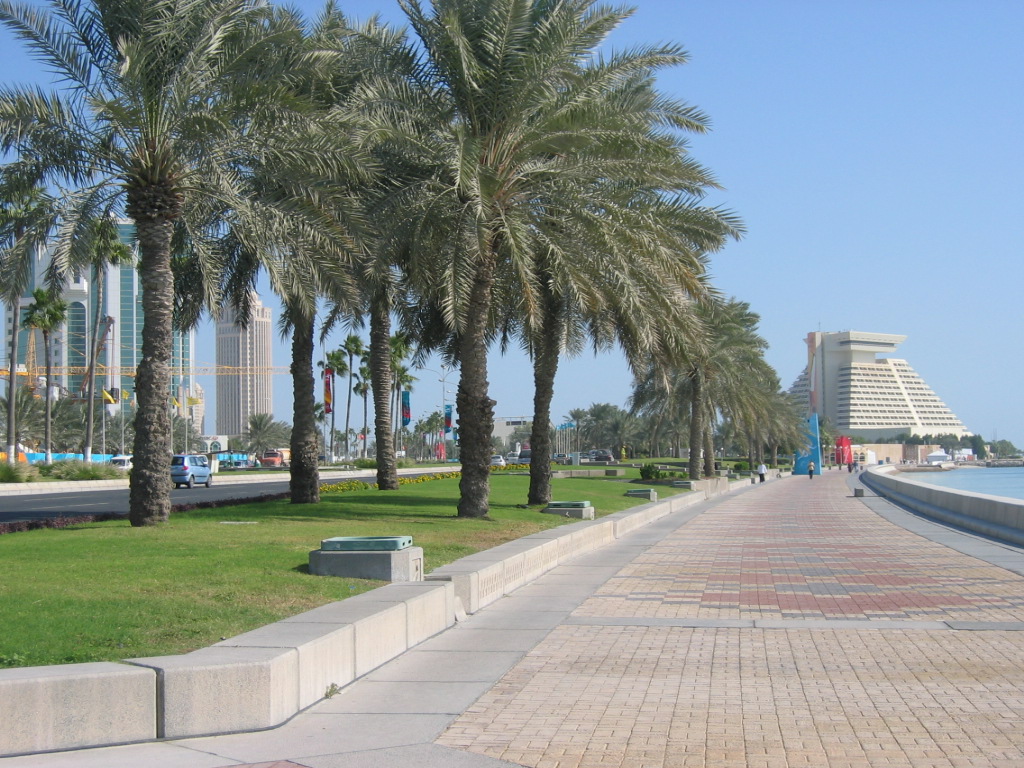
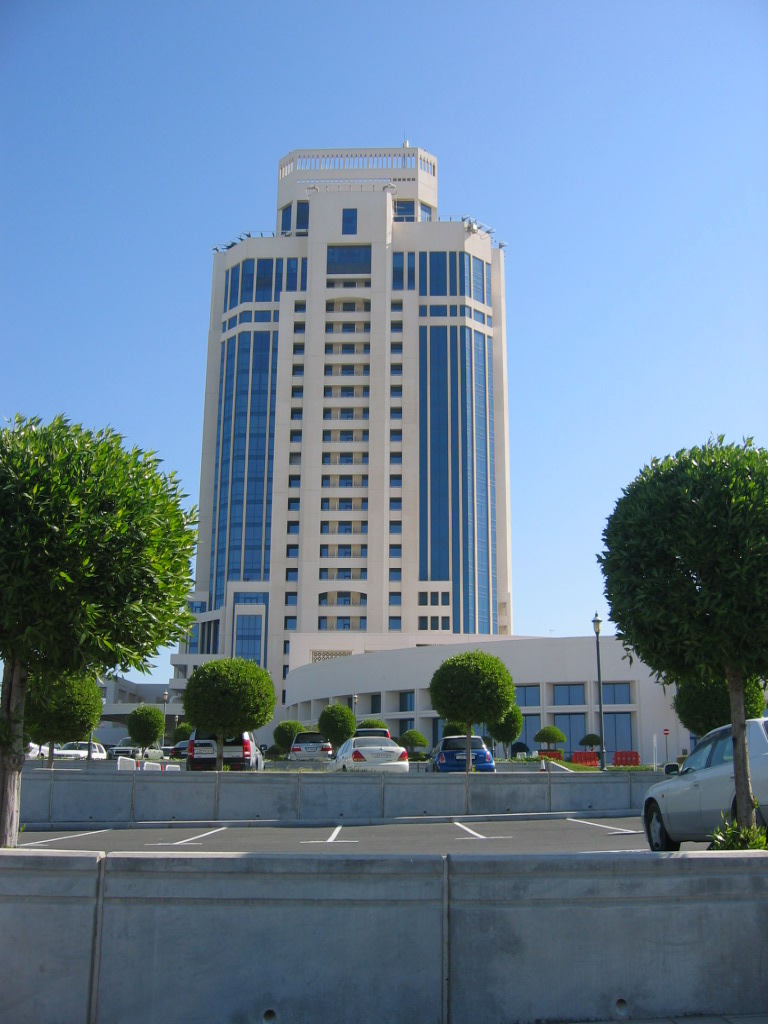
The Corniche….Enjoy…Now, Doha has a Skyline…When I was here last there were only two buildings here…


Enjoying a sandwich and a glass of orange juice at my favorite Juice Stall in Doha…Al Anfal…This place is not meant for tourists, but is a common hangout among the locals…


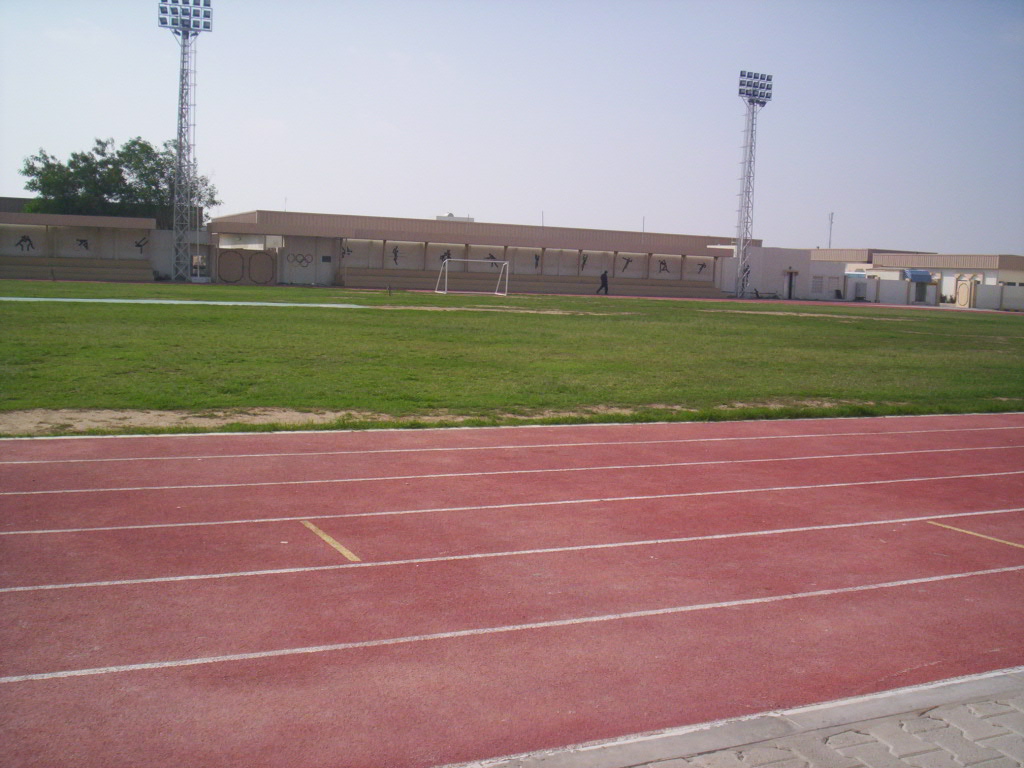
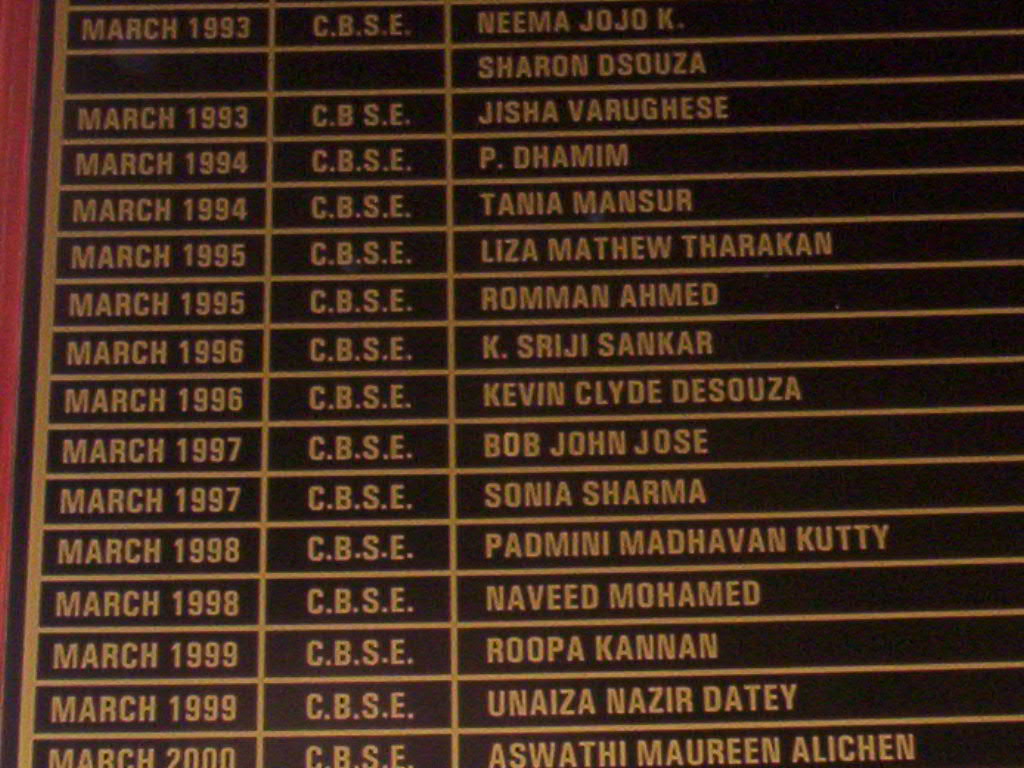
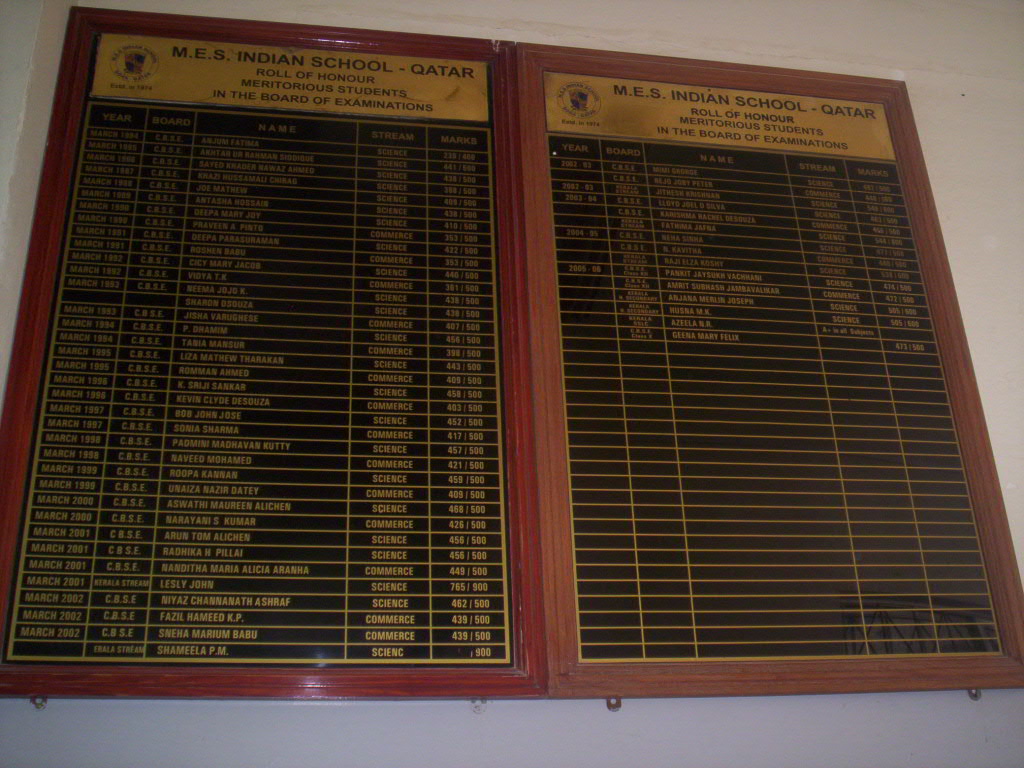
My old School, where I completed Grade I through XII...See, I made the Honor Roll (nice!)...When I went to school we had to run on sand, very hot sand, now the school has a nice track and field...


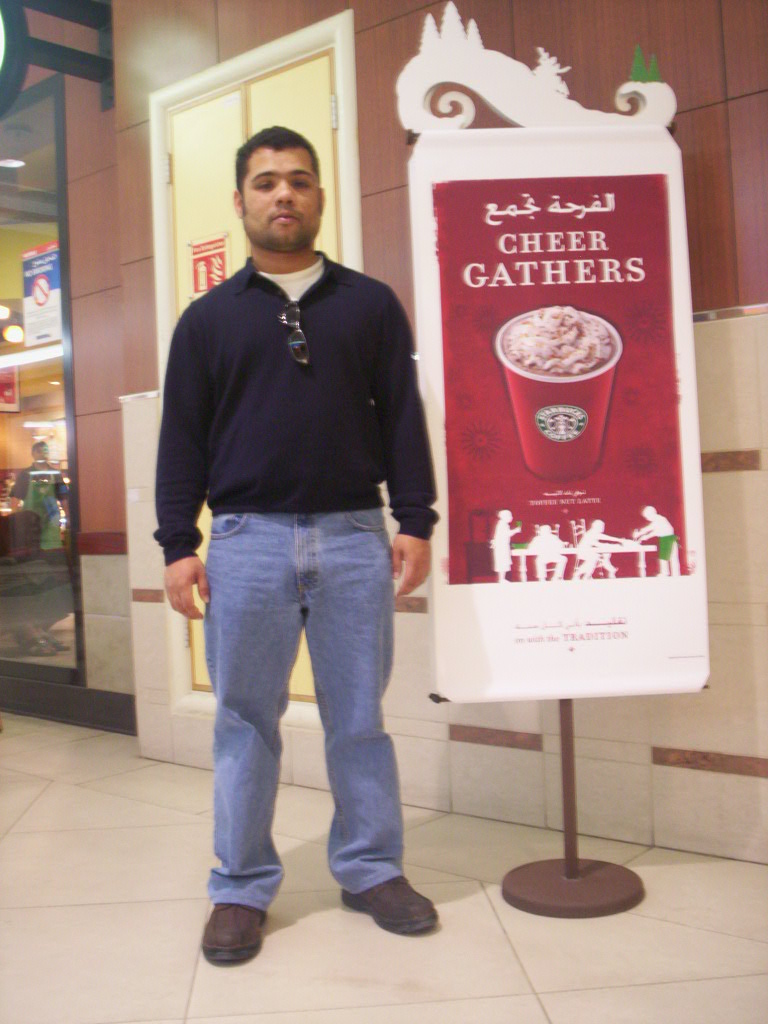
Starbucks in Doha, Qatar…The last time I was in Doha, I had never heard of this Company…We only drank real Arabic Tea for entertainment…

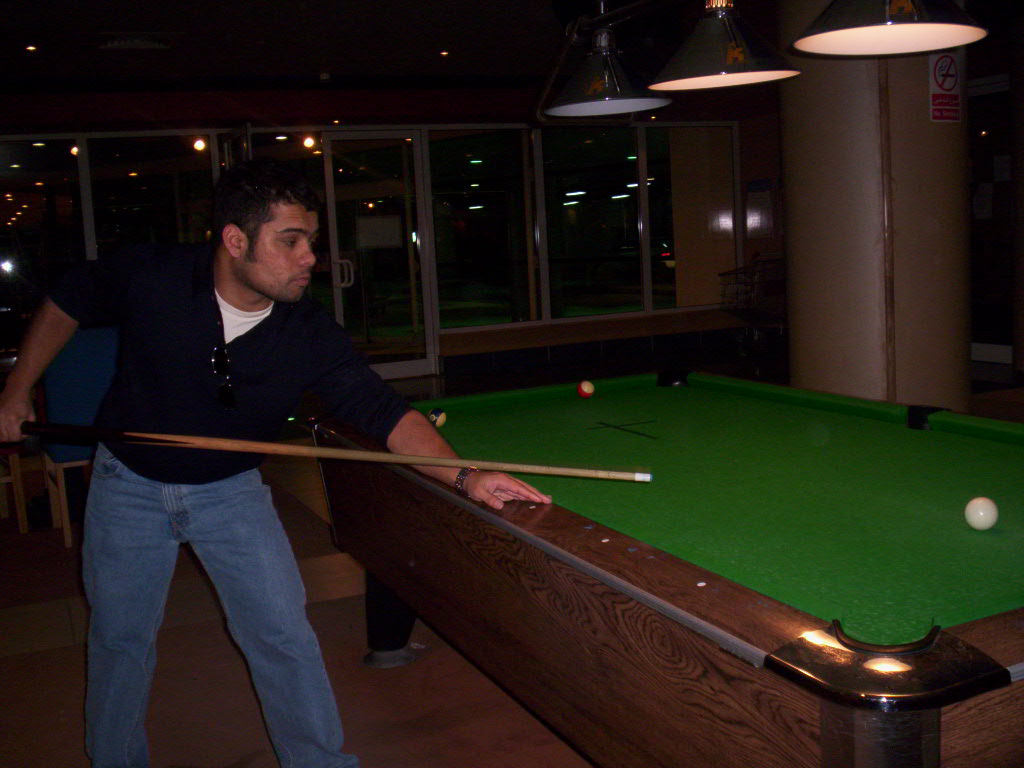
Taking a break…shooting some pool at the City Center…


I am currently in Doha, Qatar on vacation…I have returned home after 9 years of being away. I will update the Blog with photos and some commentary…

Monday, October 23, 2006

I just returned from spending time at the University of Virginia (UVA). UVA is located in beautiful Charlottesville, Virginia. I got a lot of writing and thinking done during my time at UVA. In addition, I did have time to hang out my with sister and meet some old friends. Here are some pictures…

Thursday, September 07, 2006

I will be chairing a panel at the International Conference on Information Systems. This is the second year in a row that I have organized a panel. The panel is titled: SOCIAL ACTIVISM IN IS RESEARCH: MAKING THE WORLD A BETTER PLACE. Panel members are Bob Galliers (Bentley College), Rick Watson (Univ of Georgia), Don McCubbrey (Univ of Denver), Michael Myers (University of Auckland), and Phillip Ein-Dor (Tel Aviv University). Here is a description of the panel:

Information Systems (IS) can play a salient role in the transformation of our societies, especially in less-developed (or under-served) communities. IS can be used to benefit citizens in these societies through improvements in education, government, healthcare, social, and entrepreneurial systems. It would be a mistake to think that under-served communities can develop without optimal deployment of IS, after all advanced societies depended on IS to boost their development. The realization that IS offers potential benefit to improve the livelihood of the less-privileged is not new or recent. However, what is not clear is what should be the role of IS researchers in addressing the needs of the under-served communities?

On a philanthropic level, we might all believe that IS researchers should get involved in addressing the needs of the under-served communities. However, this is not the same as being pragmatic and actually taking required steps to act in a tangible and measurable manner. Hence, the question is raised – is addressing the needs of the under-served communities a lofty ideal or an actionable proposal? It would be irresponsible to leave the issue as a lofty ideal. Hence, we should address the question - how can we transform it from a lofty ideal to an actionable proposal?

The answer lies in the taking steps to transform the structure of our academic community by re-examining the fundamentals – teaching, research, and service. Examining these fundamentals, we should ask how our current goals, incentives, and efforts are addressing the needs of the under-served communities. More specifically, we must look at to what degree we are being cognizant of the needs of under-served communities when we chart our goals, plan our efforts, and devise incentives. Moreover, we must also recognize that studying IS issues in under-served communities can inform and deepen our understanding of contemporary research issues. For example, the IT infrastructures in under-served communities will not resemble those of their counterparts in advanced societies. We should look at how these newer designs (e.g. wireless-based networks, digital libraries, etc) can revolutionize traditional practices in advanced societies. Hence, while IS research that has been conducted in advanced societies can contribute to efforts in the under-served communities, we must also appreciate the reality that IS deployments in under-served communities can in fact inform our current research problems, approaches, and even the practice of IS.

Unless we take steps to transform the current structure of academe to make significant impacts on how we conduct and disseminate research (e.g., appreciating the difficulty of solving messy problems in under-served communities), educate our students (e.g., engaging students in the generation of knowledge that can be consumed by under-served communities), and engage in societal efforts (e.g., rewarding efforts that are geared to building bridges between social organizations such as the U.N. UNESCO, World Bank, and the IS scholarly community), we risk being spectators to the impact of IS in under-served communities rather than directing this effort. This position is not only undesirable, but also will be irresponsible as we would be under-utilizing and mis-using the intellectual resources that have taken considerable effort to develop.

The goal of this panel will be to encourage change in the IS research community via the Association of Information Systems by debating methods for addressing the needs of the under-served communities. Some of the questions that will be discussed include:

1. How do we build IS research programs that make an impact on addressing the needs of the under-served communities?
2. Is use of IS a cause of development, or does the use of IS expand when communities are more developed? Or is it an iterative process: more development leads to greater use of IS, which in turn promotes greater development?
3. How do we deploy our current knowledge resources to better address the needs of the under-served communities?
4. How do we learn from the novelties of IS deployments in under-served communities to help inform research and practice in the advanced societies?
5. How do we engage stakeholders outside our research community to develop fruitful alliances to better achieve the goal of addressing the needs of the under-served communities?
6. How do we educate and equip future researchers (e.g. doctoral students) and practitioners (e.g. graduate and undergraduate students) to be sensitive to the needs of the under-served communities?

I look forward to seeing you at ICIS.

Thursday, August 24, 2006

I have a paper accepted at the International Conference on Information Systems to be held in Milwaukee, December 10-13, 2006. The paper is titled, “Post-Adoption Switching Between Technology Substitutes: The Case Of Web Browsers” and is co-authored by Chen Ye, DongBack Seo, Sridhar Papagari, and Sanjeev Jha, all of whm are former doctoral colleagues of mine at the University of Illinois at Chicago. Here is the abtract of the paper:
In this study, we examine factors that influence users’ post-adoption switching between technology products that are near perfect substitutes. The recent introduction of Mozilla Firefox web browser provided an ideal empirical setting for this study. Drawing upon literature on post-adoption user behavior, consumer behavior, and online consumer research, we proposed a research model and validated it using cross-sectional field data collected from 306 users on their decisions to switch from Microsoft Internet Explorer to Mozilla Firefox. Findings suggest that user satisfaction and breadth of use of the incumbent product are negatively associated with switching behavior, and perceived ease of use, relative advantage, and perceived security of the substitute product are positively associated with switching behavior. This study contributes to both research and practice by advancing our understanding of users’ post-adoption behavior in general and their switching behavior on web-related technology products in specific.

Thursday, August 03, 2006

Much of the work conducted in organizations occurs as projects. Project-based work is especially popular in the information technology domain. Statistics indicate that between 50% to 80% of IT projects are unsuccessful –– they either fail to deliver on time, overstep budgeted estimates of resources and time, do not meet customer requirements, or fall short of customer expectations. This alarming scenario is hardly surprising –– too many organizations tend to repeat the same mistakes too often, particularly in terms of knowledge transfer and reuse of the information derived from past projects. Some of the primary reasons for project failures are a result of poor knowledge management: lack of effective project estimation and budgeting, poor communication and information sharing practices, inadequate reuse of past experiences and lessons learned, and insufficient understanding of the technology, particularly its limitations. Other typical reasons are lack of consistency in management, lack of formal tracking, and lack of functional user involvement. The end result is overruns in cost and time through restarts or projects routinely abandoned before completion.

Establishing a Project Management Office (PMO) is one strategy that can be used to resolve these persistent problems –– it is a source of centralized integration and a repository of knowledge which can be used to inform more effective and efficient IT project management. A well-implemented PMO can resolve the most challenging project management issues by capturing and transferring knowledge, maximizing the power of cross-functional teams, regulating the demand of integrated technologies, and providing ownership and accountability for key efforts. Moreover, it can fully assess the impact and risk of change and provide projects with guidance on best practices and standards.

While Project Management Offices (PMOs) have become a mainstay in organizations, systematic research has not yet been undertaken to study their intricacies. In a recent project, Roberto Evaristo and I, conducted an exploratory and descriptive case study analysis of PMOs, based on our interviews with senior managers and directors of PMOs in 32 IT organizations. To read our findings please see - SOURCE: Desouza, K.C., and Evaristo, J.R. “Project Management Offices: A Case of Knowledge-based Archetypes,” International Journal of Information Management, Forthcoming.

Friday, July 14, 2006

I have a new paper accepted for publication in the European Journal of Information Systems - Business Customer Communities and Knowledge Sharing: Exploratory Study of Critical Issues, co-authored with Pablo Erat, Anja Schäfer-Jugel, and Monika Kurzawa. Here is the abstract:

Businesses in knowledge intensive industries must appropriately engage with their customers in order to produce goods and services that are desired and valued in the marketplace. Engagement with customers calls for exchanging information and knowledge with customers and fostering exchanges between customers. Recent developments in the area of information and communication technologies (ICTs) have radically increased the variety of opportunities for improving customer engagement. In this paper, we will examine the use of ICTs to build Business Customer Communities (BCCs) to help an organization foster knowledge exchanges between its professional and institutional customers. We define BCCs as groups of business customers, which are deliberately enabled by a firm and share a long-term need to exchange work related knowledge through online and offline interaction. The objectives of this study are (1) to describe BCCs and outline their attributes and features, and (2) to contribute to the understanding of challenges associated with the enabling of BCC formation and how firms can overcome these challenges. As such, a contribution is made to the discussion of knowing in practice in customer communities, which rely in large part on ICT.